Spring Plant Sales Are Starting!
Photo: Asheville Botanical Garden
By Phyllis Stiles, Founder and Director Emerita of Bee City USA and Kim Bailey, Milkweed Meadows Farm
Why do pollination ecologists stress the importance of landscaping with locally native plants rather than non-native exotics? The answer is simple: co-evolution.
Over thousands, if not millions, of years, plants survived by natural selection. The plant specimens that survived droughts, floods, fires and/or hungry herbivores flourished. Many of those plant survivors harbored toxic chemicals to protect themselves from hungry herbivores. But some of those herbivores, especially many insect species, evolved to tolerate—and even capitalize on-- those plants’ toxic defenses.
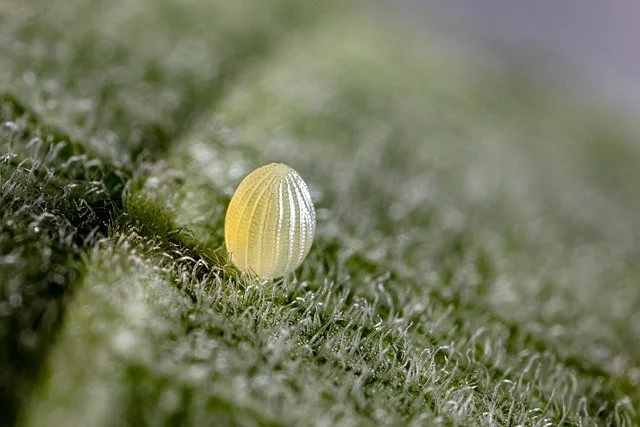
Notice the “hairs” on this milkweed leaf? Monarch caterpillars have devised ingenious ways of removing those unpalatable hairs! Photo: Lorie Schaull
The Monarch butterfly is a perfect example. Plants in the Milkweed genus (Asclepias) are the only plants it will lay eggs on. Its ravenous caterpillars devour Milkweed leaves. Because it is loaded with toxic cardiac glycosides that can harm horses and cattle if ingested, Milkweed was systematically removed from fields during the last century. Later, as herbicide-resistant GMO crops were introduced, Milkweed populations were reduced even more throughout our nation’s agricultural fields. The net effect is that today, the US Fish and Wildlife Service has proposed listing the Monarch butterfly as threatened under the Endangered Species Act. The decline in milkweed is a key factor in the sharp drop in monarch butterfly populations.
Over time, Monarchs developed chemical and clever behavioral ways to avoid being harmed by milkweeds’ toxic goo. Ironically, those toxic cardiac glycosides were their secret weapon. After eating one Monarch, birds seldom sample a second one. Monarchs taste disgusting! Monarch biologist, Lincoln Brower, famously captured a Blue Jay vomiting after eating a Monarch butterfly.
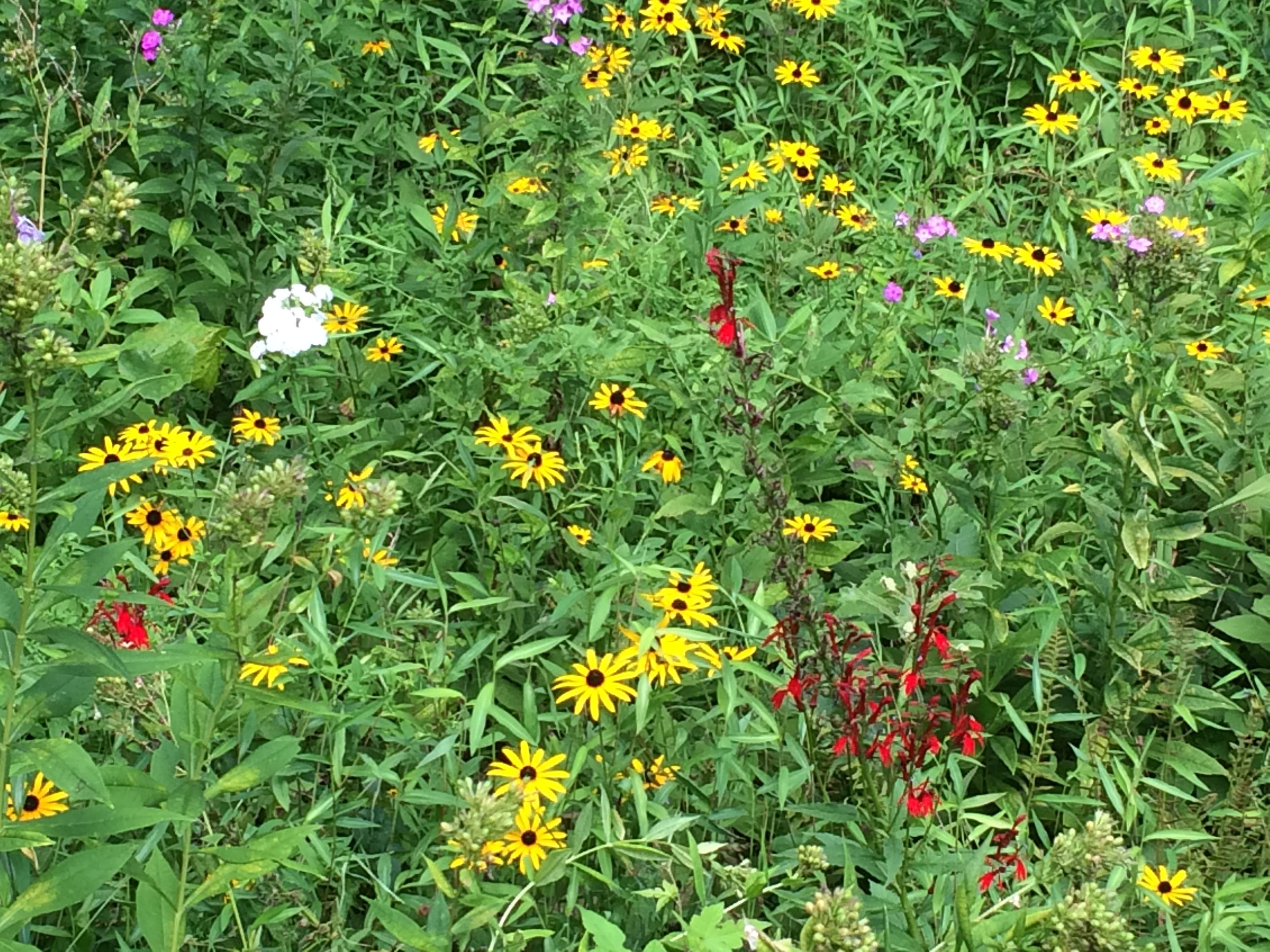
Photo: Phyllis Stiles
Bee City USA-Asheville Recommended Species List
Bee City USA-Asheville encourages everyone to favor the rich array of plants that have been in Western North Carolina since before colonization. A downloadable plant list is available on our website here, along with a list of local nurseries that feature native plants and landscapers who design native landscapes.
The list indicates which nurseries carry each plant, which pollinators benefit from each plant, and when the plant blooms. Most of those nurseries are small and largely sell their plants during plant sales. Now is the time to download the plant list and mark your calendar for upcoming plant sales.
Mark Your Calendars: Plant Sales Are Coming!
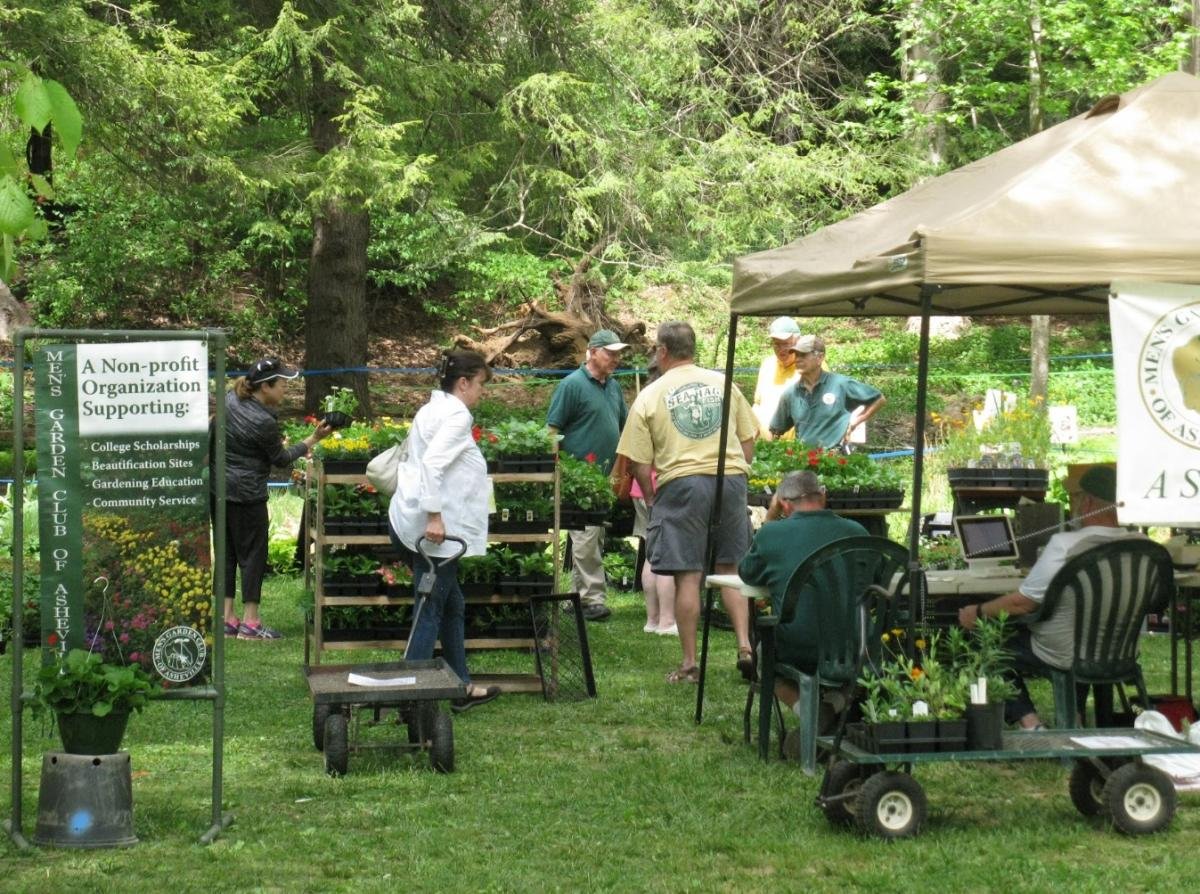
Asheville Botanical Garden plant sale
Plants for Everyone pre-orders are open through noon on February 15. Pre-order pick-up dates are February 26 and 27. The General Plant Sale will be held from 12:00 - 6:00 pm on February 28.
Gardening for Life Spring Native Plant Sale will be held at Congregational Church, UCC in Tryon on April 11.
Montreat Landcare Festival & Arbor Day Celebration will be held on April 11.
Blue Ridge Community College Horticulture Program Plant Sale will be held April 18 - 19.
Bullington Gardens Spring Plant Sale will be held April 23 - 25.
Asheville Herb Festival will be held at the WNC Ag Center April 24 - 26.
Blue Ridge Artisan Market's From the Earth Festival will be held from 11:00 am – 6:00 pm at Lennox Station in Hendersonville on April 25.
Growing in the Mountains Plant Sale will be held at the WNC Farmers Market May 1 - 3.
French Broad River Garden Club Spring Plant Sale will be held from 9:00 am - 3:00 pm on Saturday, May 2.
The Blue Ridge Naturalist Network's native plant sale & swap will be held on Sunday May 10 at 39 Courtland Avenue in the Montford area of Asheville.
Asheville Botanical Garden Spring Plant Sale will be held from 12:00 - 5:00 pm on May 15 and from 9:00 am - 2:00 pm on May 16.
Black Mountain Garden Sale will be held 1:00 - 6:00 pm on May 15 and 9 am - 3:30 pm on May 16.
Buncombe Co. Master Gardeners’ Spring Fling Plant Sale will be held May 16.
Haywood Co. Master Gardeners’ Garden Extravaganza will be held on May 16.
Daniel Boone Native Gardens’ sale (in Boone) will be held 8:00 - 11:00 am on May 16
Garden Jubilee in downtown Hendersonville will be held May 23 - 24.
NC Arboretum Spring Plant Sale & Market will be held May 29 - 30.
Daniel Boone Native Gardens’ sale (in Boone) will be held 8:00 - 11:00 am on June 20
Enjoy listening to this bumble bee buzz pollinating a Partridge Pea flower. Video: Florrie Funk
Your Landscaping Is About Way More Than Beauty
Preserving biodiversity is critical to mitigating the impacts of climate change. It’s climate change insurance—as species disappear, perhaps remaining species can help to fill the ecosystem services gap they left behind. Nearly ninety percent of wild flowering plants rely on pollinators to help them reproduce and sustain their species. We humans and almost all terrestrial wildlife depend on those plants to varying degrees for food and shelter.
In other words, when we take care of pollinators, we take care of so much more. By planting a diversity of the native perennials, shrubs, trees and grasses that our native pollinators co-evolved with over millions of years, and by avoiding insecticides, fungicides and herbicides, we support both pollinators and other beneficial insects that prey on pests like aphids and mosquitoes.
Whether large or small, public or private, residential or institutional, all landscapes have the capacity to be havens for imperiled pollinators. Their universe is small. Most of them never travel more than a few hundred yards from where they emerged as adults! All the fragrant, colorful flowers they pollinate and all the baby birds that grow up to leave the nest after consuming a diet of butterfly and moth caterpillars aren’t so bad either.
Happy plant shopping!