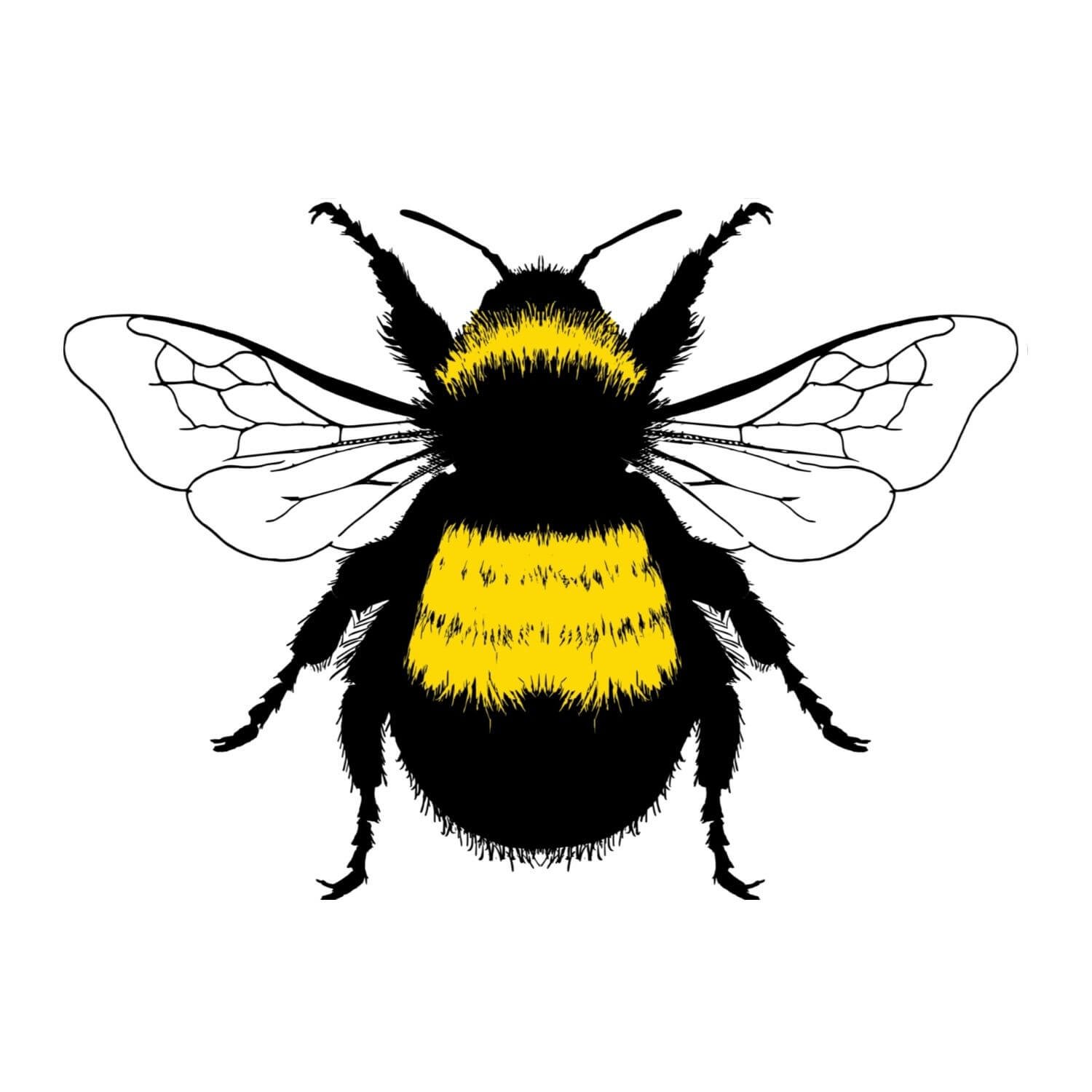
This Thanksgiving, Let’s Thank the Pollinators!
Photo: Phyllis Stiles
By Phyllis Stiles, Founder and Director Emerita of Bee City USA
This is a slightly updated version of an editorial published by the Asheville Citizen-Times for Thanksgiving 2023.
In honor of the hardworking pollinators that help our most nutritious foods grow and fruit, this Thanksgiving, why not make a vase of flowers the table centerpiece rather than a turkey? To us, flowers represent beauty, celebration, or sympathy in times of grief, but to pollinators, they represent a feast of pollen and nectar.
One in every three bites of food we eat is courtesy of insect pollination. This includes not only tasty things like chocolate, pumpkins and cranberries, but also foods that provide us with a major proportion of essential micronutrients like vitamins A & C, iron, zinc, folate, amino acids, and antioxidants. Even the alfalfa and clover that cows eat to produce milk—from which we make cheese, butter and whipped cream—depend on pollinators. They move the flower’s male part, pollen, to the flower’s female part, the ovary. If those plants depended on the wind, as a minority of plants do, who knows if their species’ unique pollen would ever make it to a flower of the same species? And, perhaps more of us would be sneezing with wind-blown pollen allergies!
While the first pollinator to come to mind for most people is the honeybee, like the colonists who brought it, it was a European immigrant that arrived on a ship in the 1620s. Previously, there were no honeybees on the American continents. They soon met their capable American pollinator cousins — bumble, mason, squash, leafcutter, mining and other native bees, as well as moths, beetles, hummingbirds, butterflies, bats, and flower flies and other species. Pollinators travel from flower to flower feeding on or gathering nectar and pollen for their young, and along the way pollinate flowers, enabling plants to make seeds to reproduce. That’s why we have fruits and nuts!
There are about 3,600 species of native wild bees in the United States, but their numbers are declining due to habitat loss, pesticide exposure, poor nutrition, climate change and diseases. Indeed, more than a quarter of North America’s bumble bee species are in decline, including the previously widespread rusty patched bumble bee, added to the Endangered Species List in 2017.
According to the Xerces Society Guide, “Attracting Native Pollinators,” “In China’s Sichuan Province, one of the largest apple producing regions in the world, farmers perch on ladders in mountainside orchards to pollinate blossoms by hand. The farmers have adopted this practice because wild bees are now absent in their area, and honey beekeepers refuse to bring in their hives due to excessive pesticide use in the orchards.”
Preserving biodiversity is critical to mitigating the impacts of climate change. It’s climate change insurance—as species disappear, perhaps remaining species can help to fill the ecosystem services gap they left behind. Nearly ninety percent of wild flowering plants rely on pollinators to help them reproduce and sustain their species. We humans and almost all terrestrial wildlife depend on those plants to varying degrees for food and shelter.
In other words, when we take care of pollinators, we take care of so much more. By planting a diversity of the native perennials, shrubs, trees and grasses that our native pollinators co-evolved with over millions of years, and by avoiding insecticides, fungicides and herbicides, we support both pollinators and other beneficial insects that prey on pests like aphids and mosquitoes.
Whether large or small, public or private, residential or institutional, all landscapes have the capacity to be havens for imperiled pollinators. Their universe is small. Most of them never travel more than a few hundred yards from where they emerged as adults! All the fragrant, colorful flowers they pollinate and all the baby birds that grow up to leave the nest after consuming a diet of butterfly and moth caterpillars aren’t so bad either.
So, as you scoot that cranberry sauce onto your bite of turkey, thank a bumble bee. And when you savor that pumpkin or apple pie, thank a squash or mason bee. If it’s served a la mode, thank a leafcutter bee for pollinating the dairy cow’s alfalfa. If you chase it with a cup of coffee, thank a tropical stingless bee or fly.
Happy Thanksgiving to pollinators and people!